- #ededed
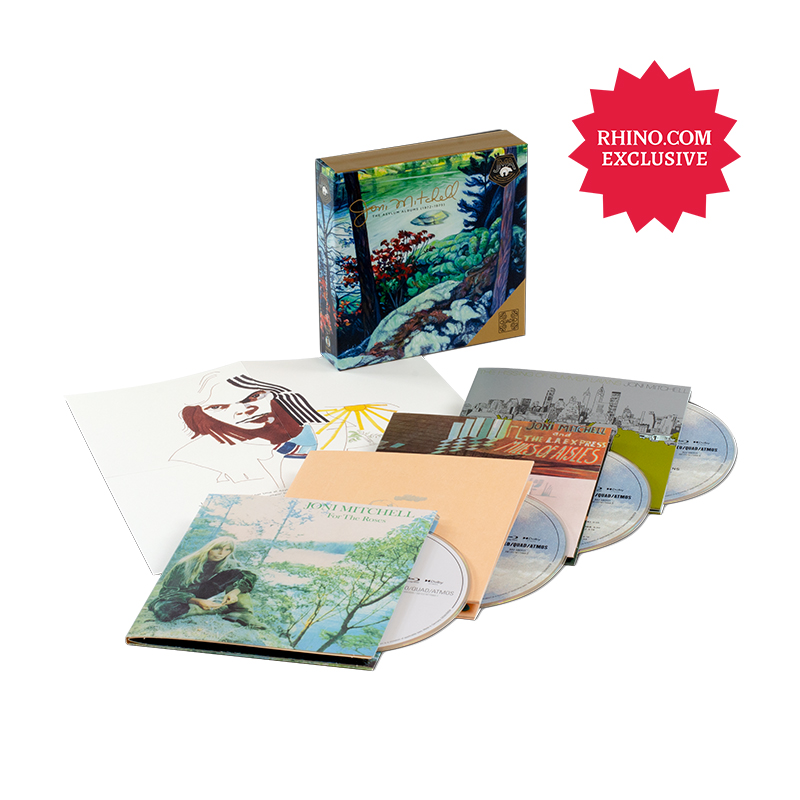 JONI MITCHELL - THE ASYLUM ALBUMS (1972-1975) (QUADIO)
4 Blu-ray Set Feat. Quadraphonic, Hi-Res Stereo, And Dolby Atmos Mixes - #ededed
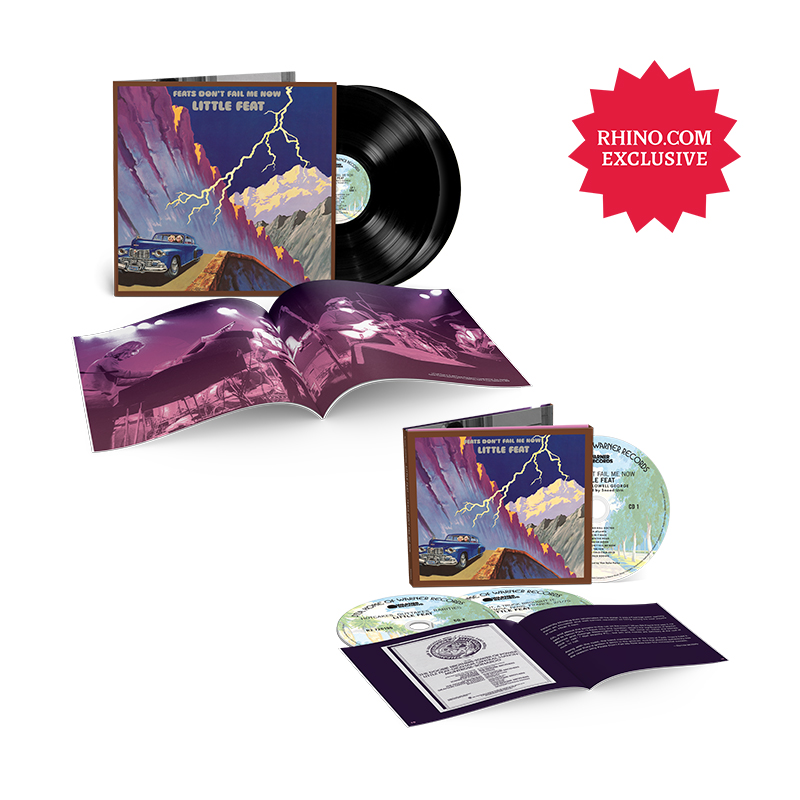 LITTLE FEAT - FEATS DON'T FAIL ME NOW (DELUXE EDITION)
2LP & 3CD Bundles With An Exclusive Bonus Disc Feat. Live At The Rainbow '75 - #ededed
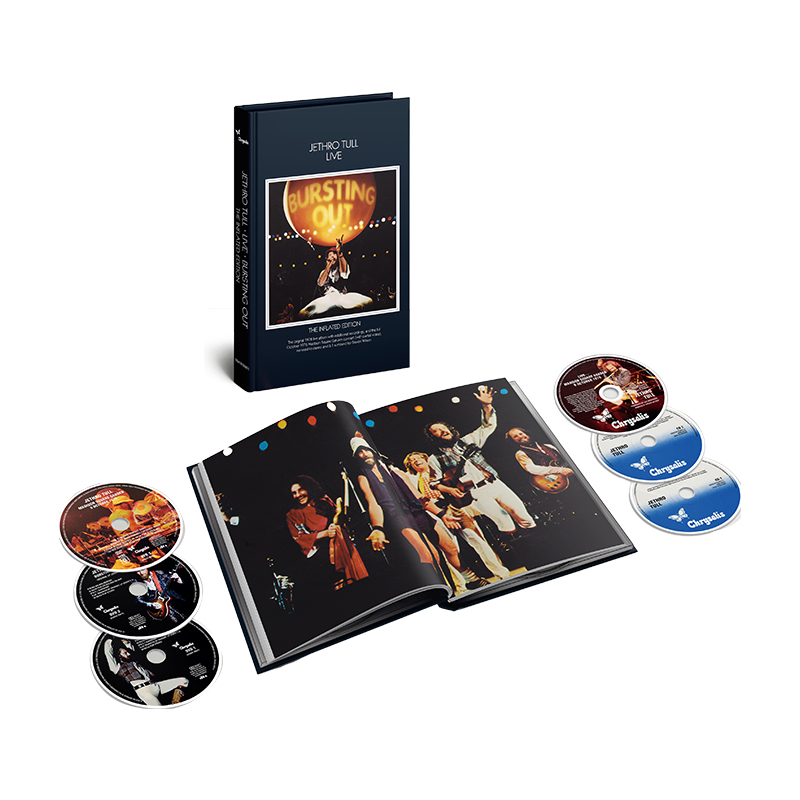 JETHRO TULL - BURSTING OUT (THE INFLATED EDITION)
3CD/3DVD Boxed Set, Remixed By Steven Wilson - #ededed
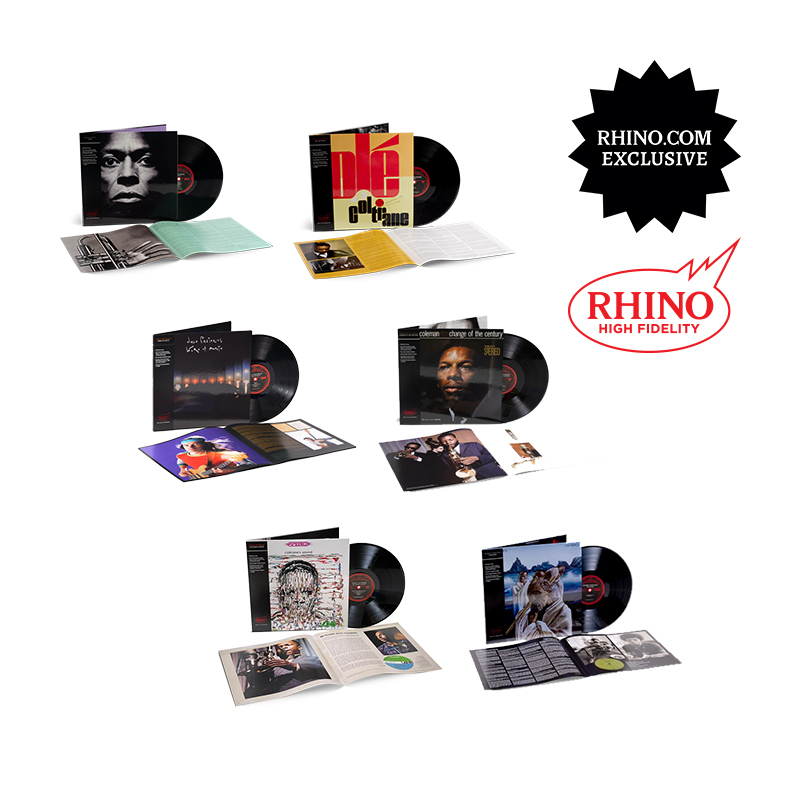
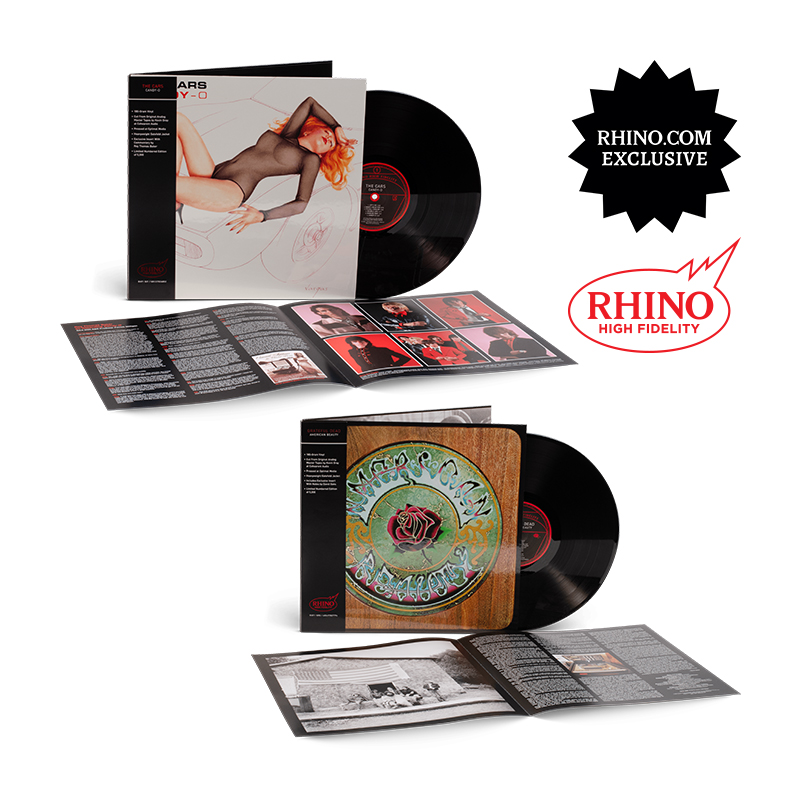
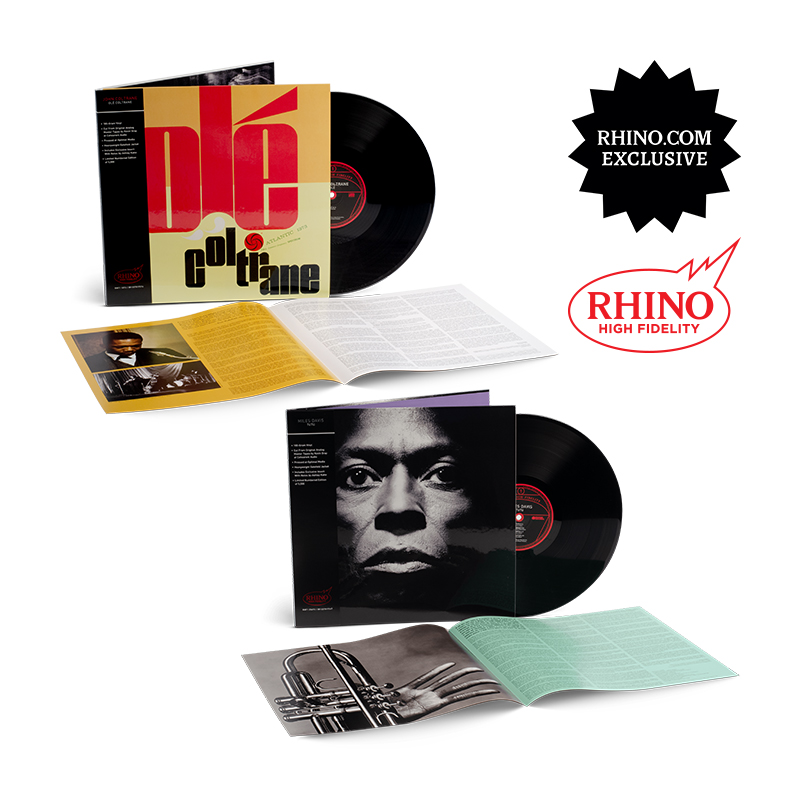 RHINO HIGH FIDELITY - JOHN COLTRANE & MILES DAVIS
Premium Vinyl, Limited & Numbered To 5,000 - #ededed
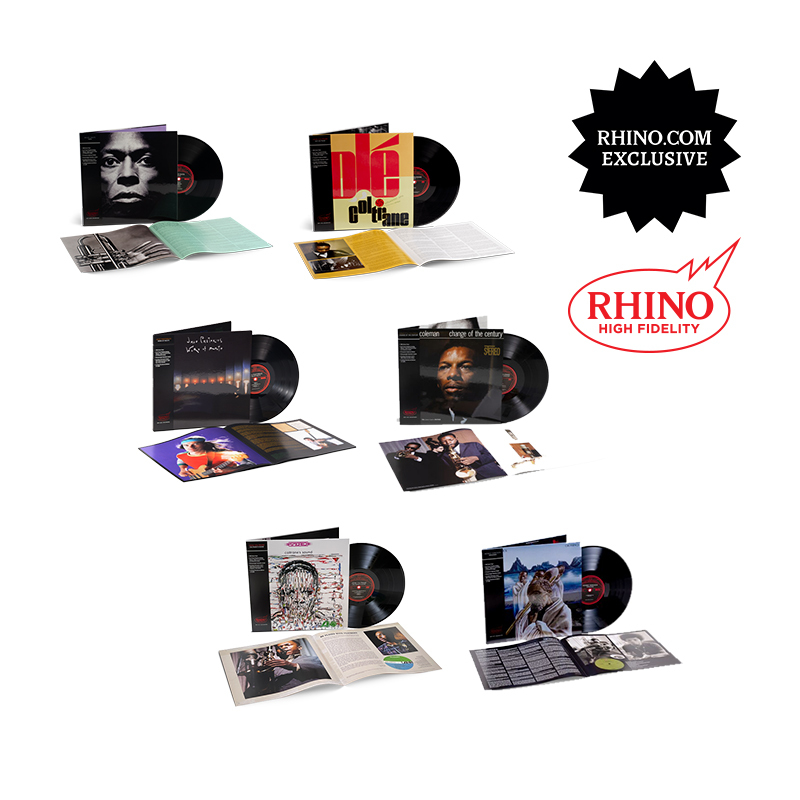 RHINO HIGH FIDELITY JAZZ SALE
Buy Three Jazz HiFi Titles, Get A Fourth Free - #ededed
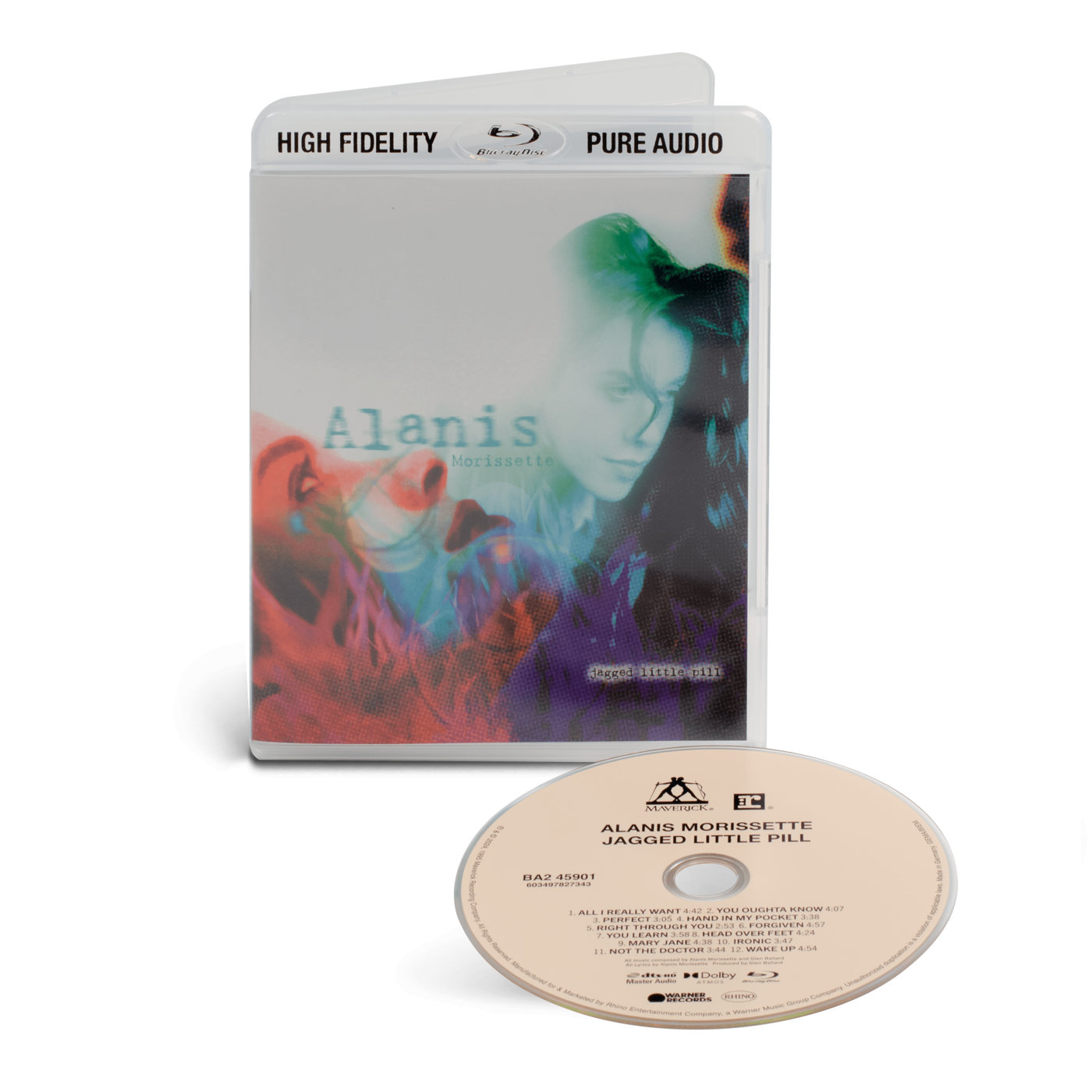
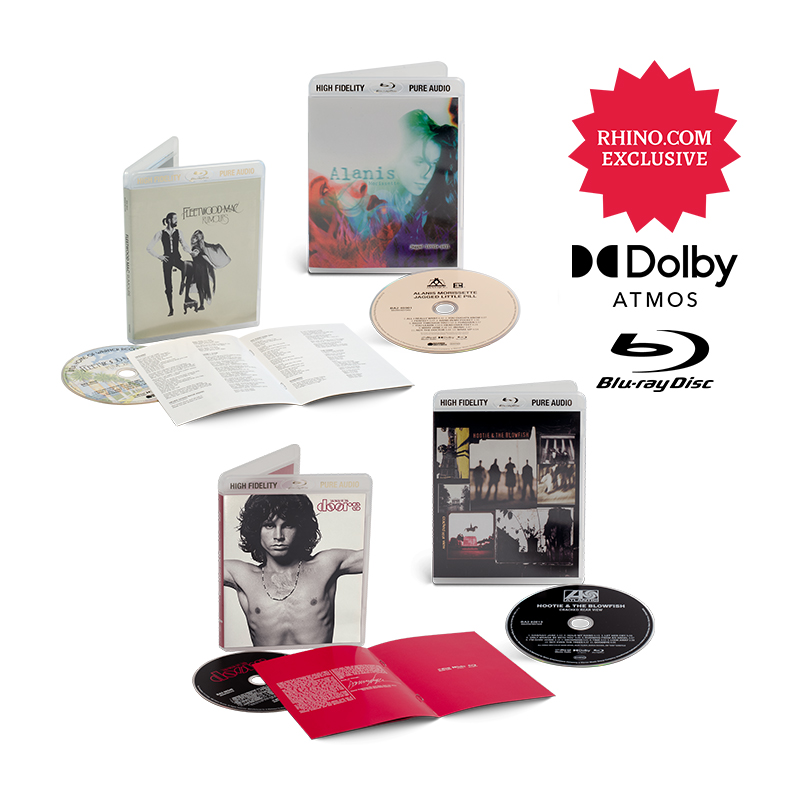
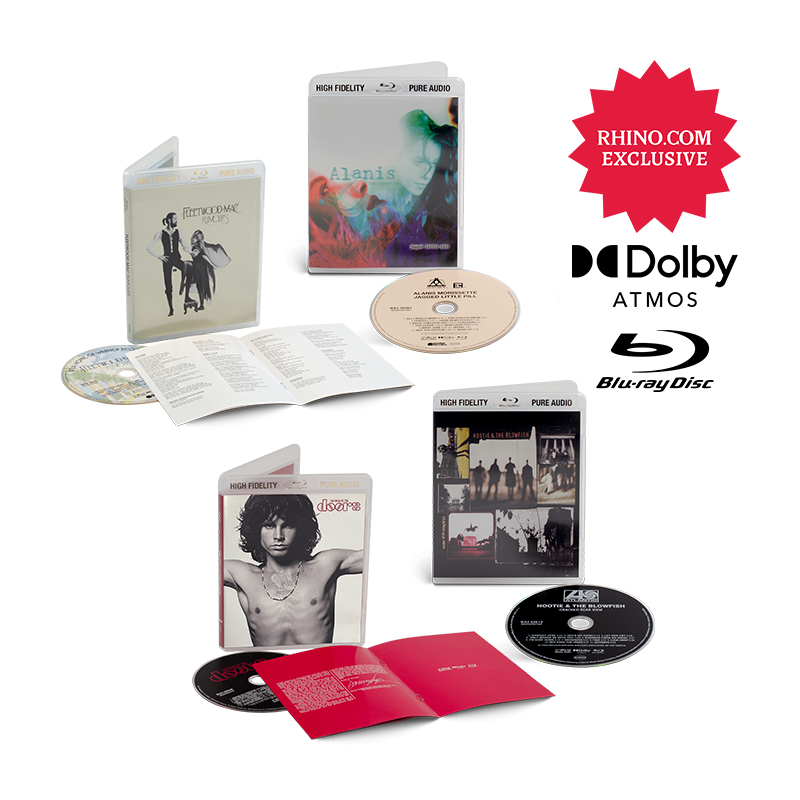 IMMERSE YOURSELF IN ATMOS
The Doors, Fleetwood Mac, Alanis Morissette, And Hootie & The Blowfish On Blu-ray Featuring Dolby Atmos, 5.1, And Hi-Res Stereo Mixes
Features
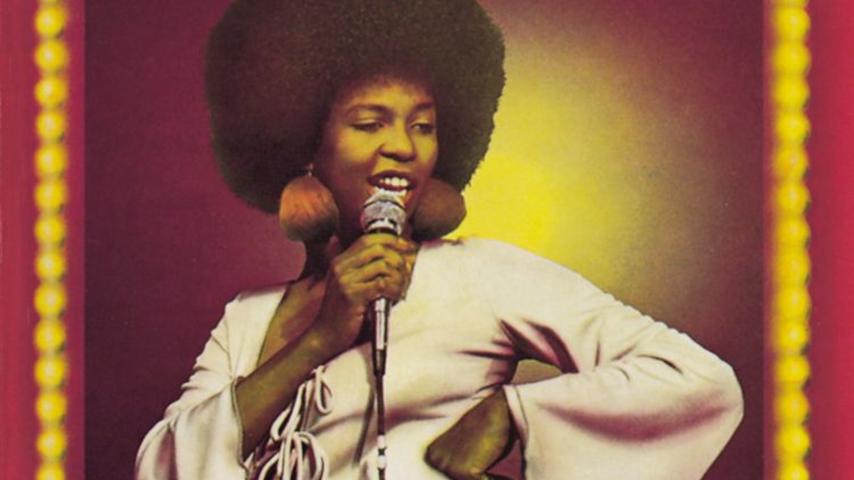
BETTY WRIGHT LIVE
Born Bessie Regina Norris in Miami, Betty Wright was recording before grade school (with her siblings' gospel group) and in the Top 10 before graduating high school. Wright was a gifted songwriter and vocalist with plenty of stage presence, all...
THIS IS THE AOD HOMEPAGE PREVIEW TEMPLATE
THIS IS THE FIELD NODE IMAGE ARTICLE TEMPLATE
![JONI MITCHELL The Asylum Albums (1972-1975) [Quadio]](/sites/g/files/g2000012691/files/styles/homepage_news/public/2024-04/unnamed_1.jpg?itok=F0u8BNWI)
Joni Mitchell Details THE ASYLUM ALBUMS (1972-1975) [QUADIO]
Archives Series Returns As A 4-Blu-ray Set In Quadrophonic, Hi-Res Stereo, and Dolby Atmos. Featuring FOR THE ROSES, COURT AND SPARK, THE HISSING OF SUMMER LAWNS, And The Double Live Album, MILES OF AISLES. Available April 18
THIS IS THE ARTICLE HOMEPAGE PREVIEW TEMPLATE

David Bowie's Unreleased Album Toy - With Producer Mark Plati
Host Rich Mahan welcomes producer Mark Plati to The Rhino Podcast to discuss the recently released David Bowie Album, "Toy".
THIS IS THE PODCAST HOMEPAGE PREVIEW TEMPLATE
THIS IS THE FIELD NODE IMAGE ARTICLE TEMPLATE
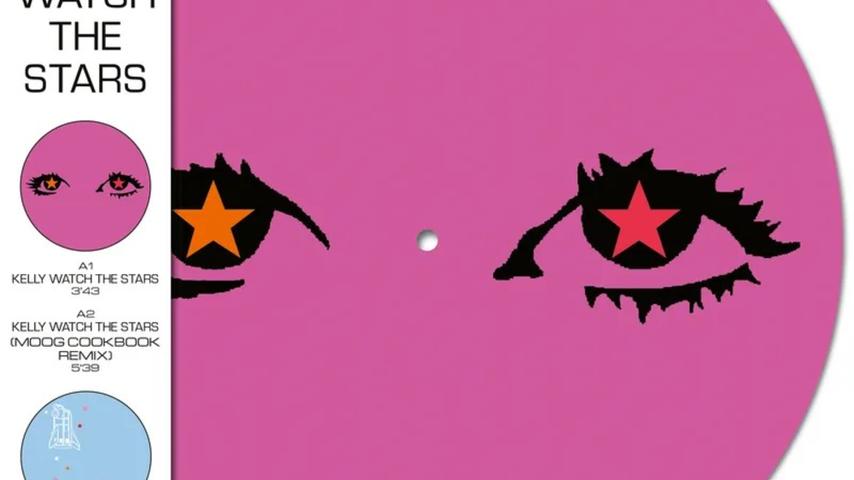
Single Stories: Air, KELLY WATCH THE STARS
A look at the space-rock lounge duo's ode to one of Charlie's Angels.
THIS IS THE ARTICLE HOMEPAGE PREVIEW TEMPLATE