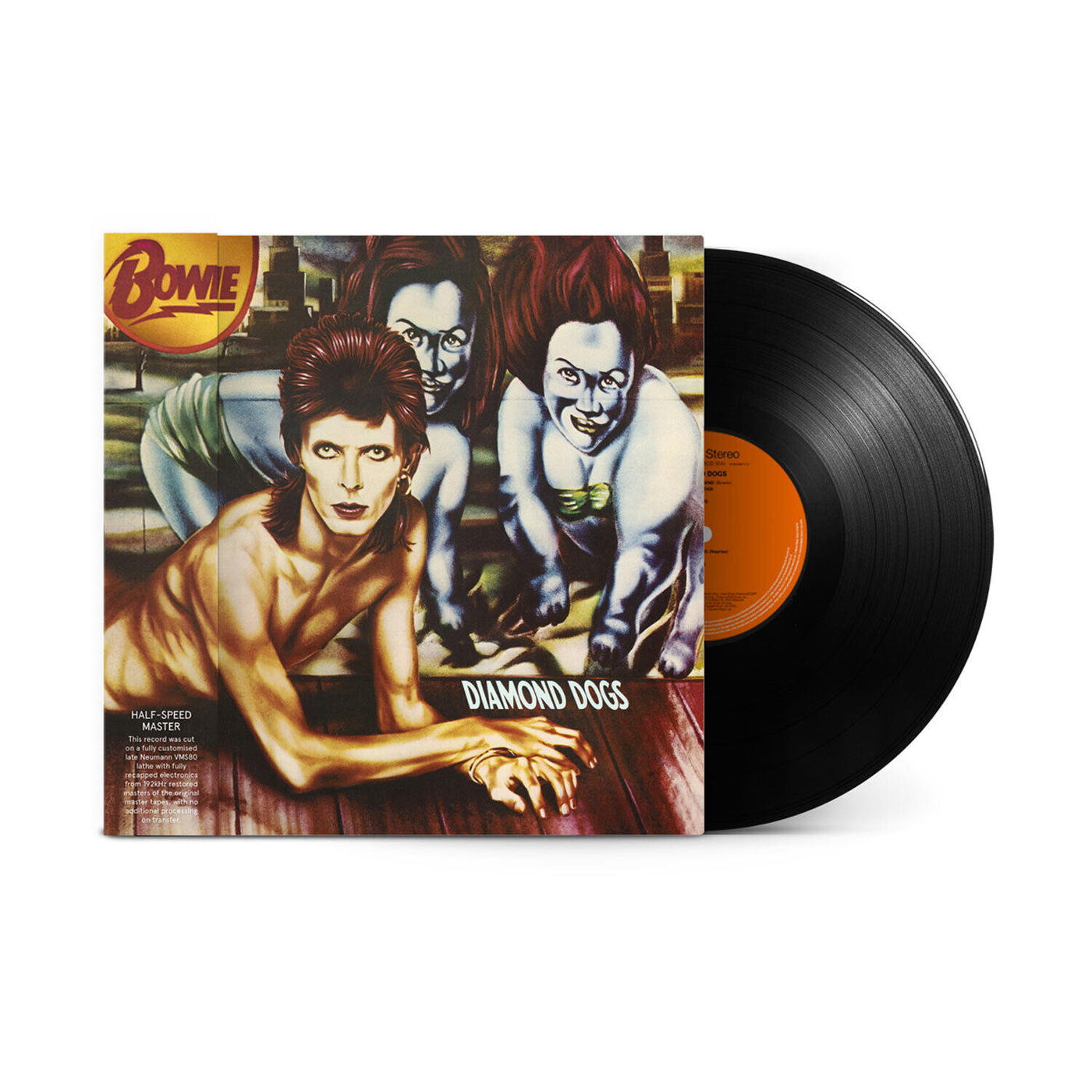
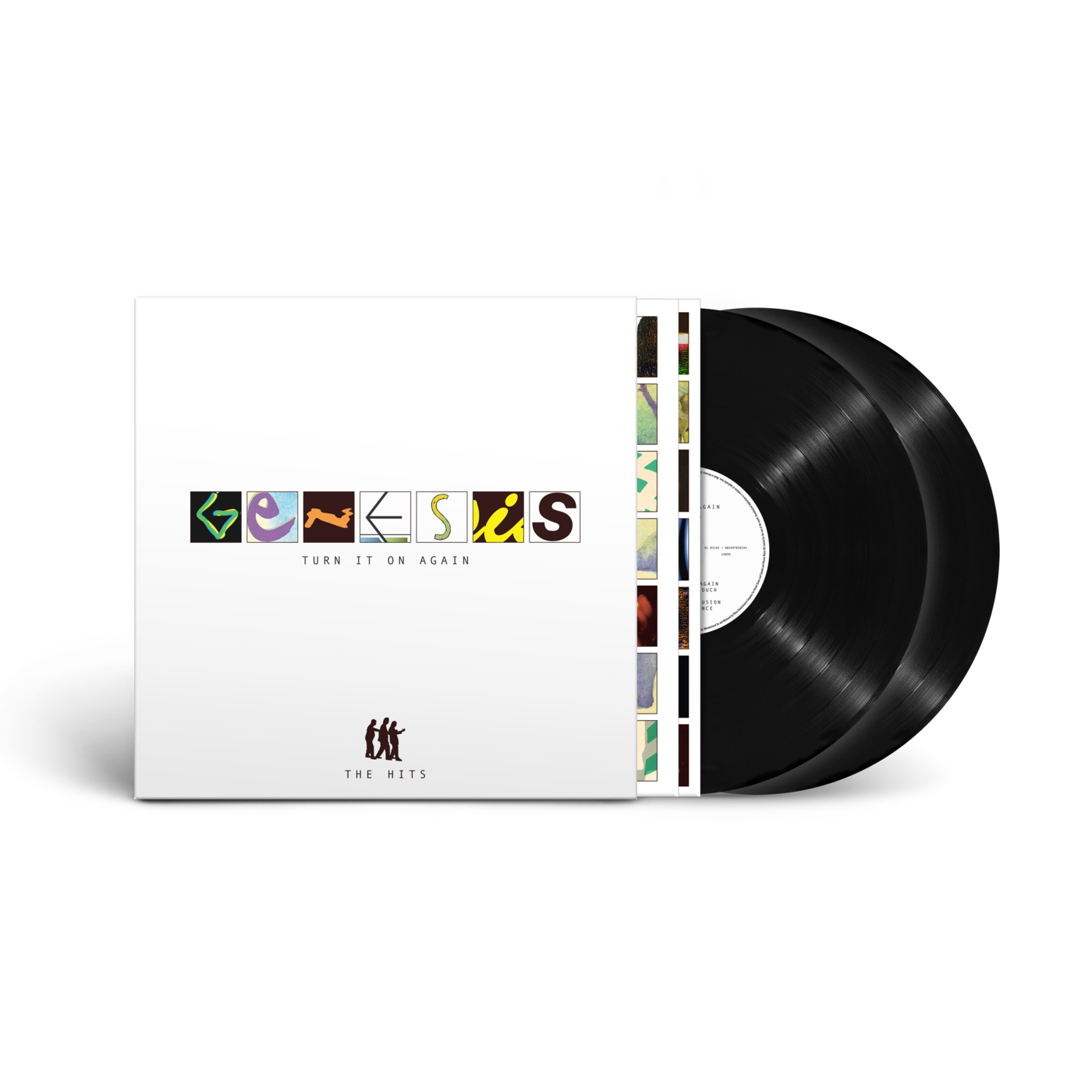
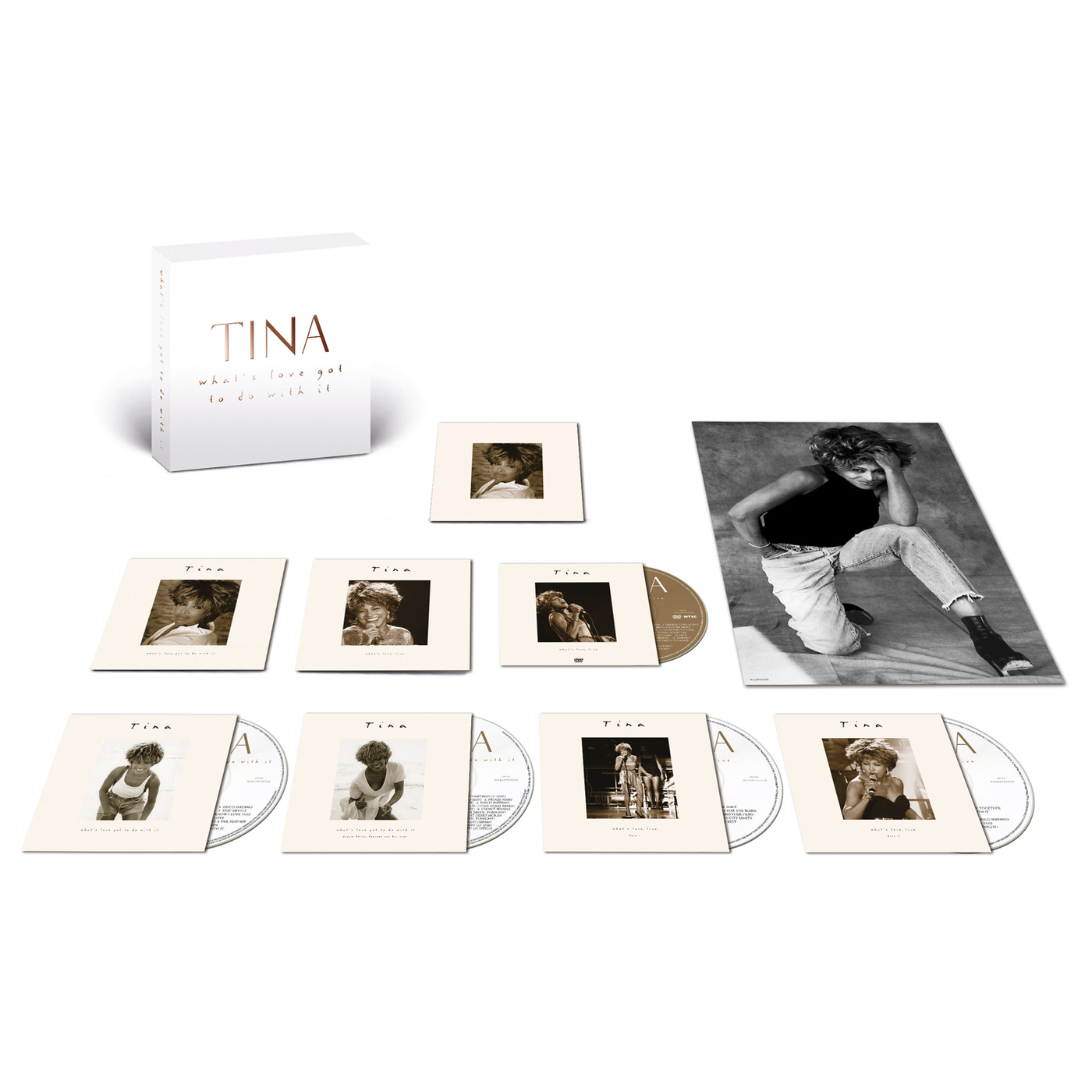
- #ededed
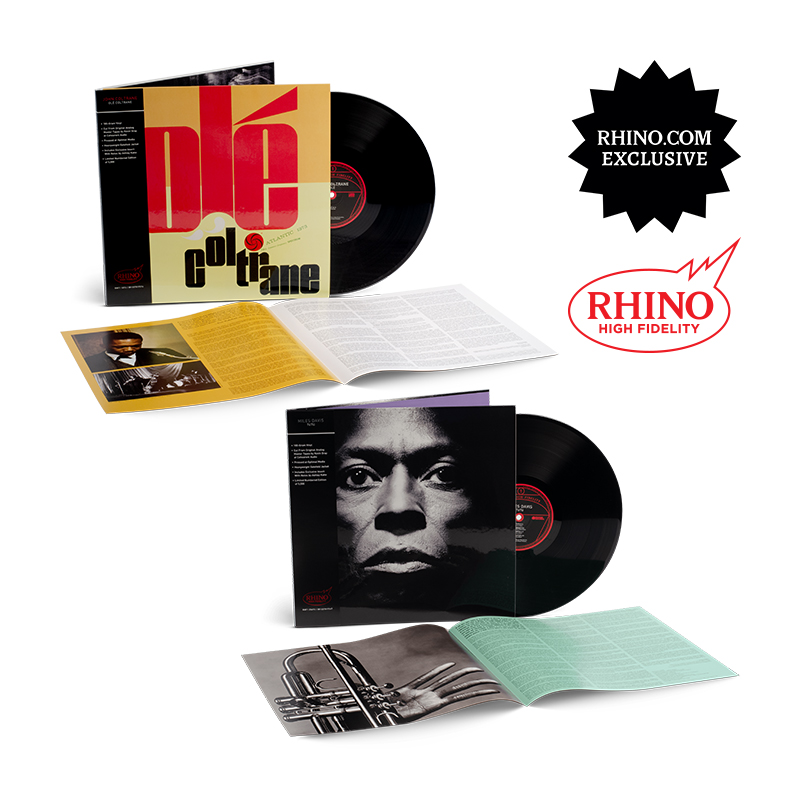 RHINO HIGH FIDELITY - JOHN COLTRANE & MILES DAVIS
Premium Vinyl, Limited & Numbered To 5,000 - #ededed
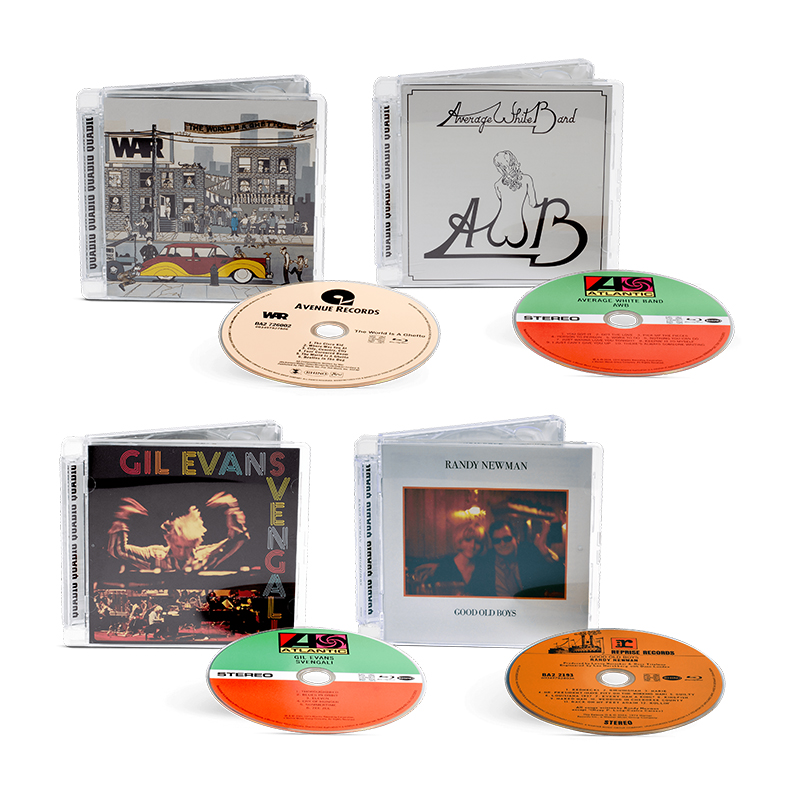
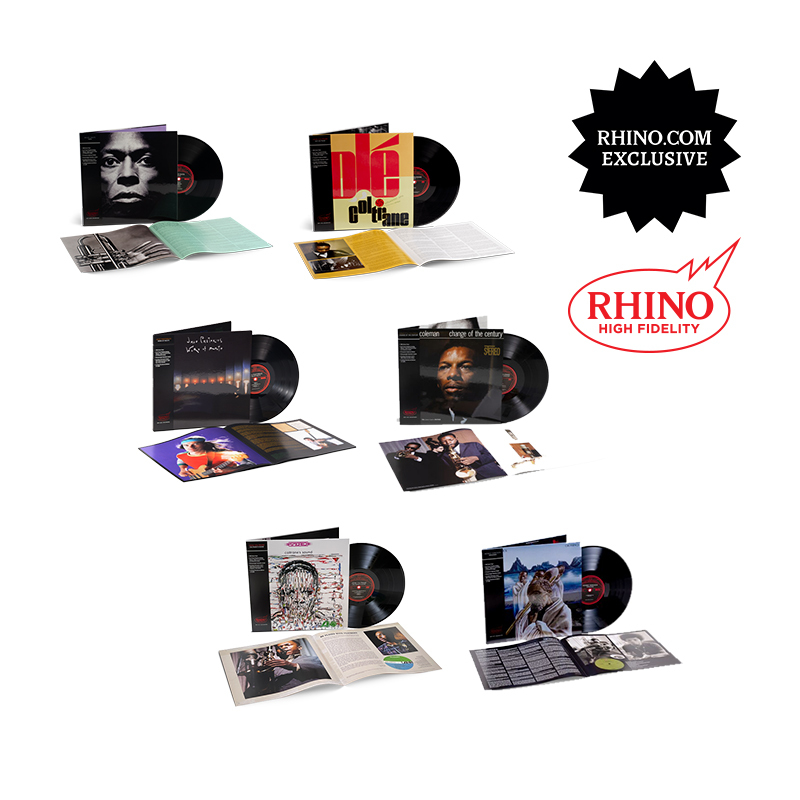 RHINO HIGH FIDELITY JAZZ SALE
Buy Three Jazz HiFi Titles, Get A Fourth Free - #ededed
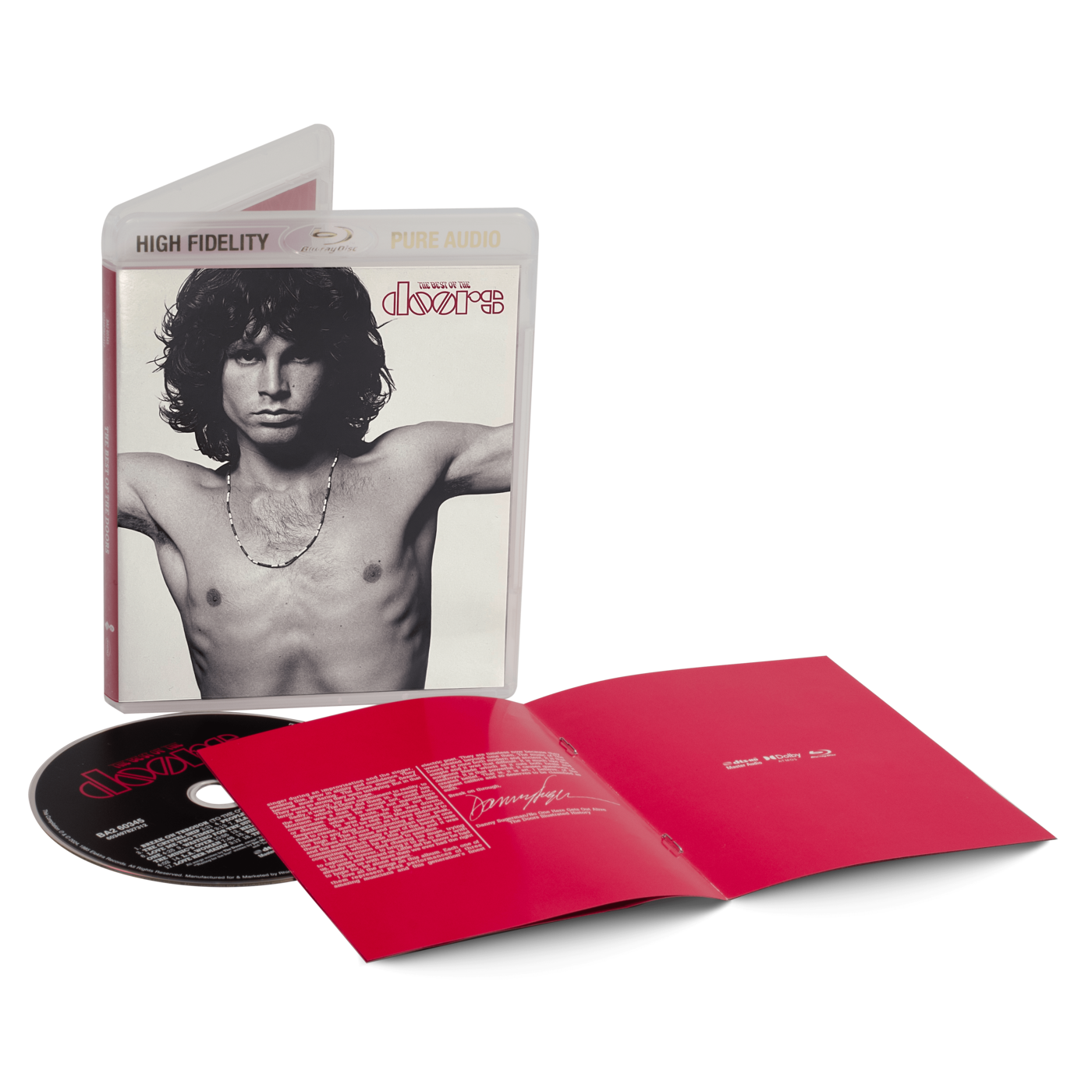
 IMMERSE YOURSELF IN ATMOS
The Doors, Fleetwood Mac, Alanis Morissette, And Hootie & The Blowfish On Blu-ray Featuring Dolby Atmos, 5.1, And Hi-Res Stereo Mixes - #ededed
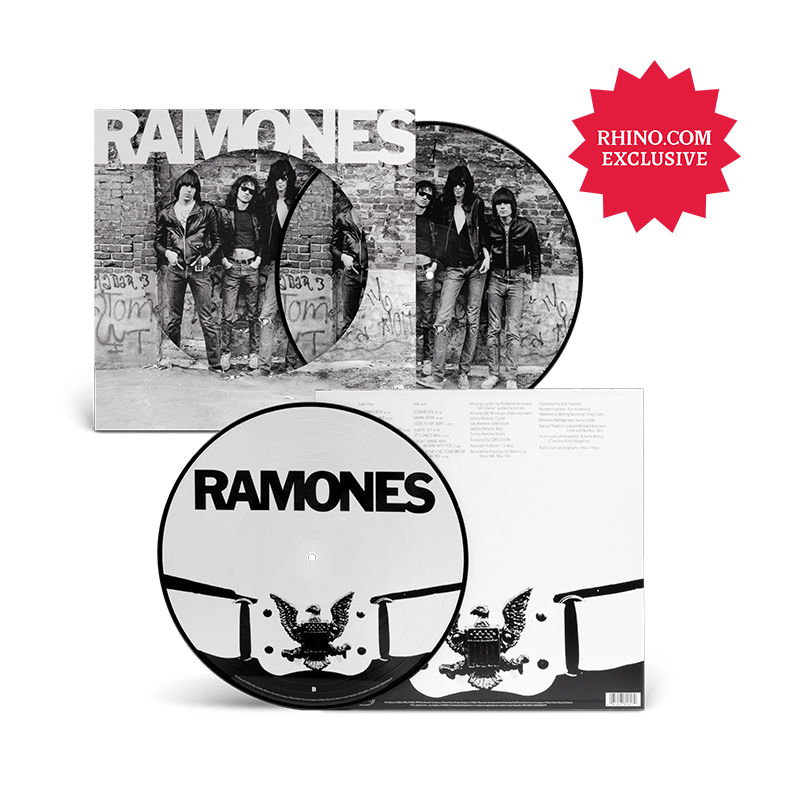 RAMONES - RAMONES (PICTURE DISC)
Their Revolutionary Debut On Picture Disc For The First Time, Limited To 5,000 - #ededed
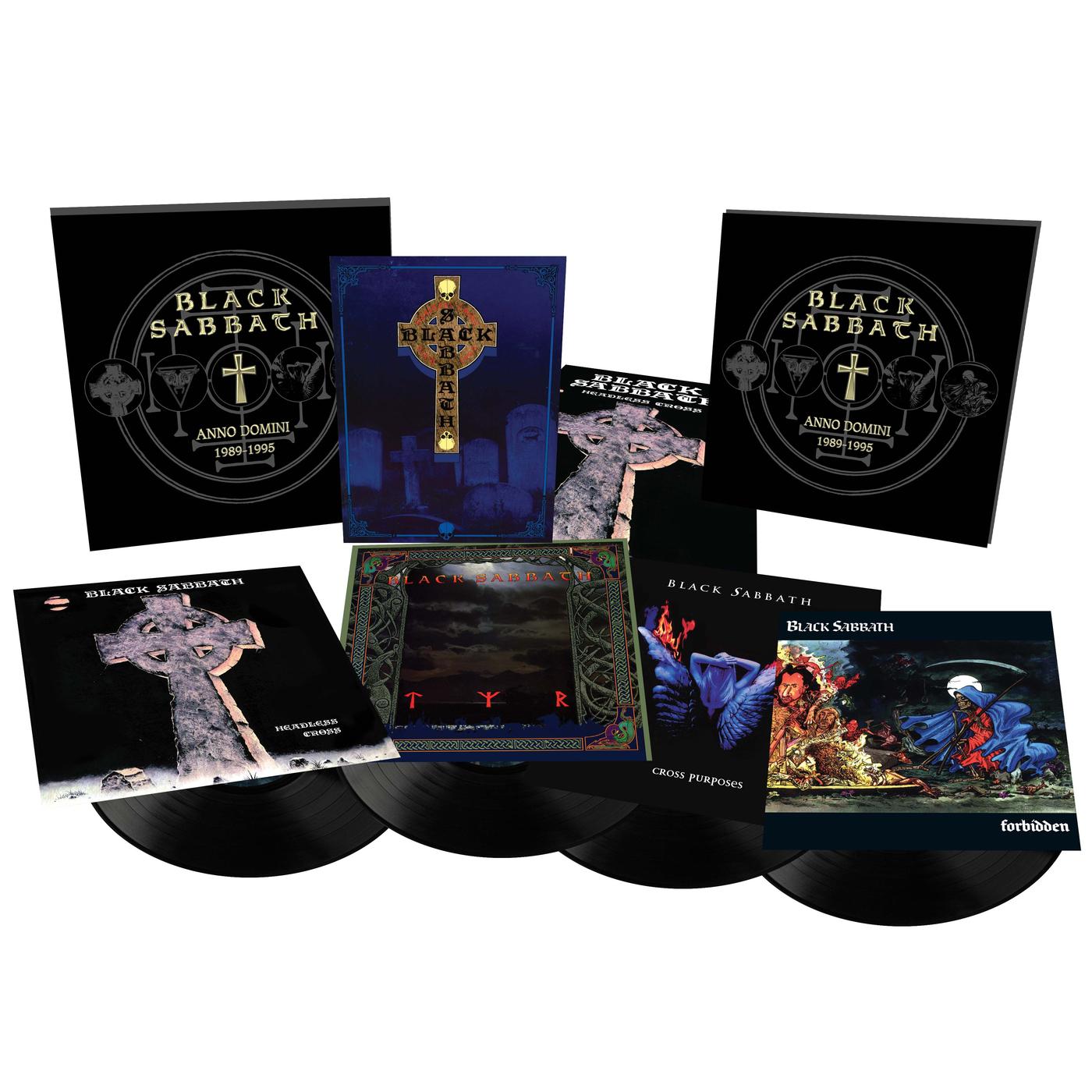
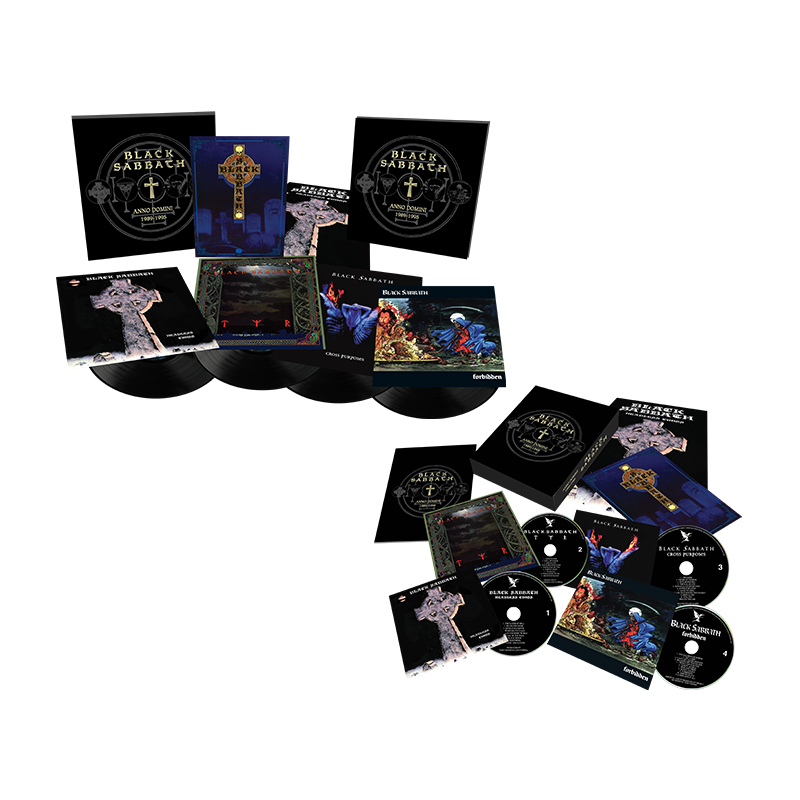 BLACK SABBATH - ANNO DOMINI 1989-1995
4CD & 4LP Sets Feat. The Tony Martin Era
Features
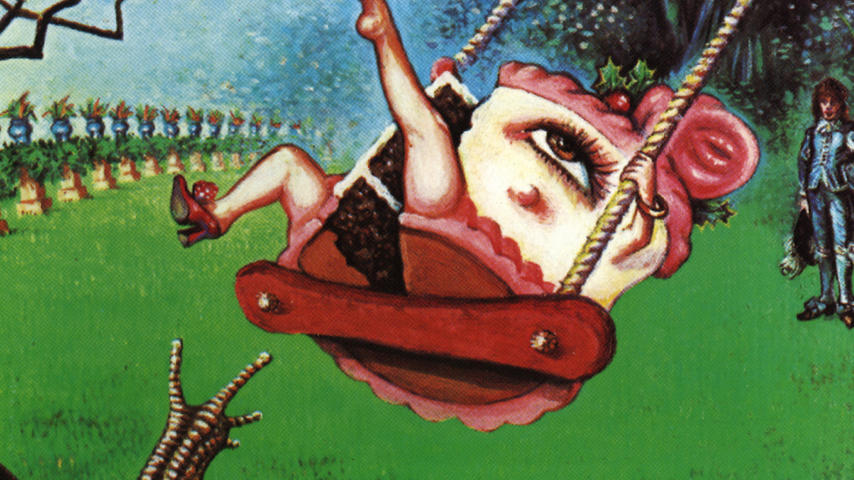
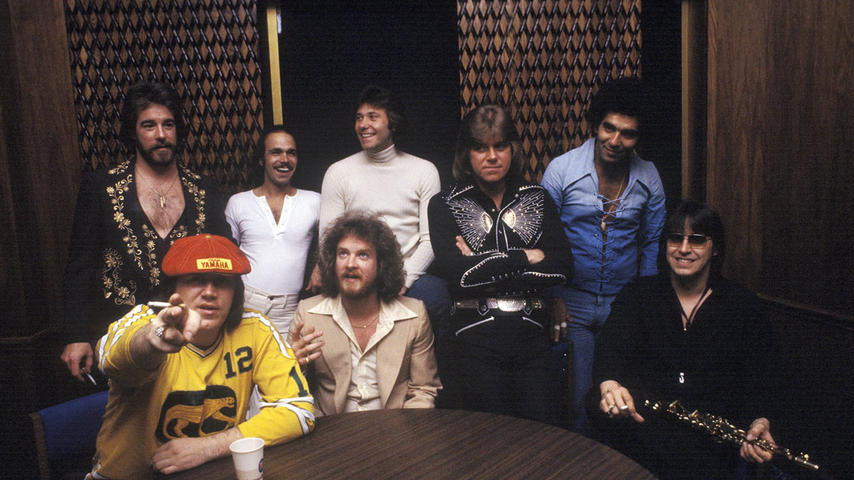
SAILIN’ SHOES
While Lowell George and his Little Feat cohorts had an acclaimed debut album under their belts, with SAILIN' SHOES the band reached another level – something obvious from the opening notes of “Easy To Slip," which stands among the great...
THIS IS THE AOD HOMEPAGE PREVIEW TEMPLATE
THIS IS THE FIELD NODE IMAGE ARTICLE TEMPLATE
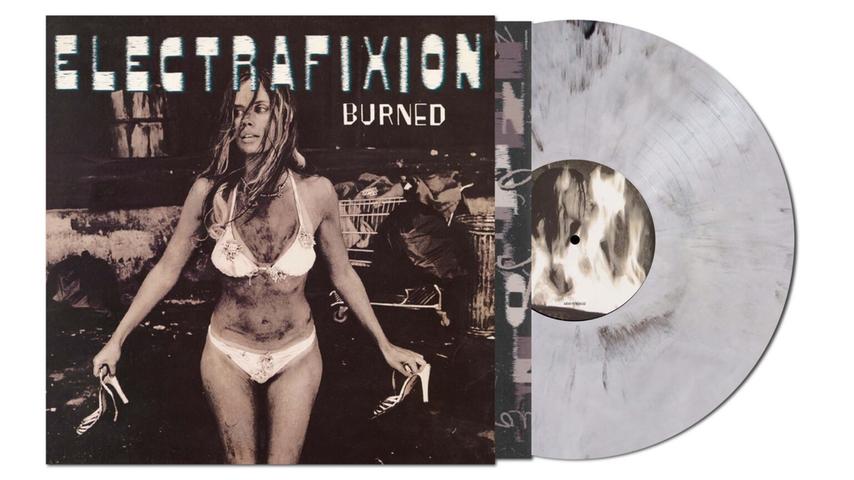
1995: Electrafixion Release BURNED
The sole album from the hard rocking band Ian McCulloch and Will Sergeant formed after the demise of Echo & the Bunnymen.
THIS IS THE ARTICLE HOMEPAGE PREVIEW TEMPLATE
David Bowie's Unreleased Album Toy - With Producer Mark Plati
Host Rich Mahan welcomes producer Mark Plati to The Rhino Podcast to discuss the recently released David Bowie Album, "Toy".
THIS IS THE PODCAST HOMEPAGE PREVIEW TEMPLATE
THIS IS THE FIELD NODE IMAGE ARTICLE TEMPLATE
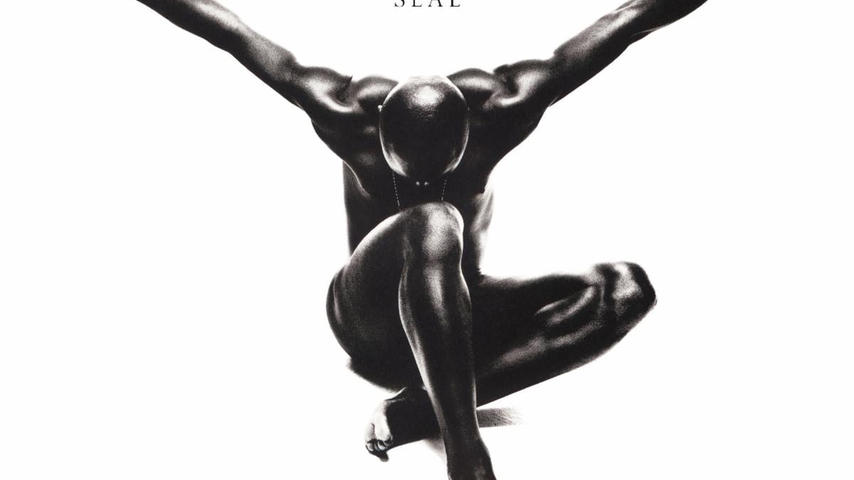
Seal Details Deluxe Edition of Second Album SEAL
Singer’s 1994 Sophomore Album Remastered And Expanded With Unreleased Music For 30th Anniversary. 2-CD/Blu-ray And 2-LP Versions Available From Rhino On June 14
THIS IS THE ARTICLE HOMEPAGE PREVIEW TEMPLATE