- #ededed
 FOUR MORE IN QUADIO
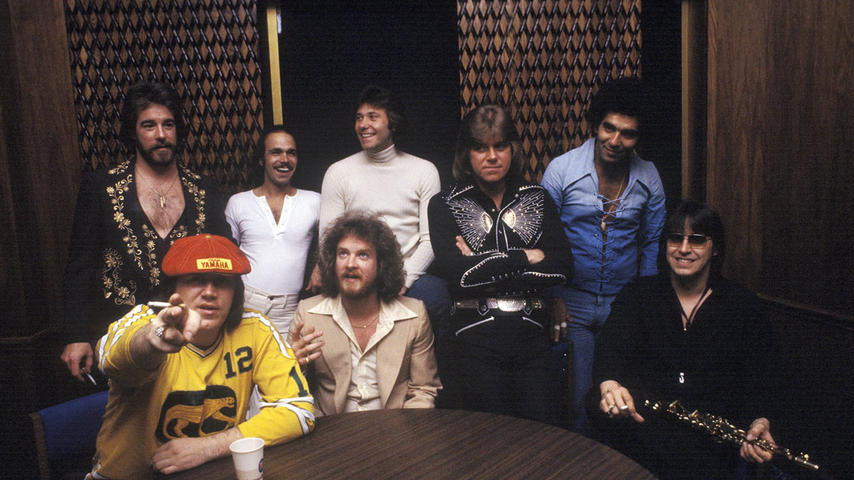
Donny Hathaway, Roberta Flack, Hot Tuna, Seals & Crofts On Blu-ray Featuring Original Quad And Stereo Mixes - #ededed
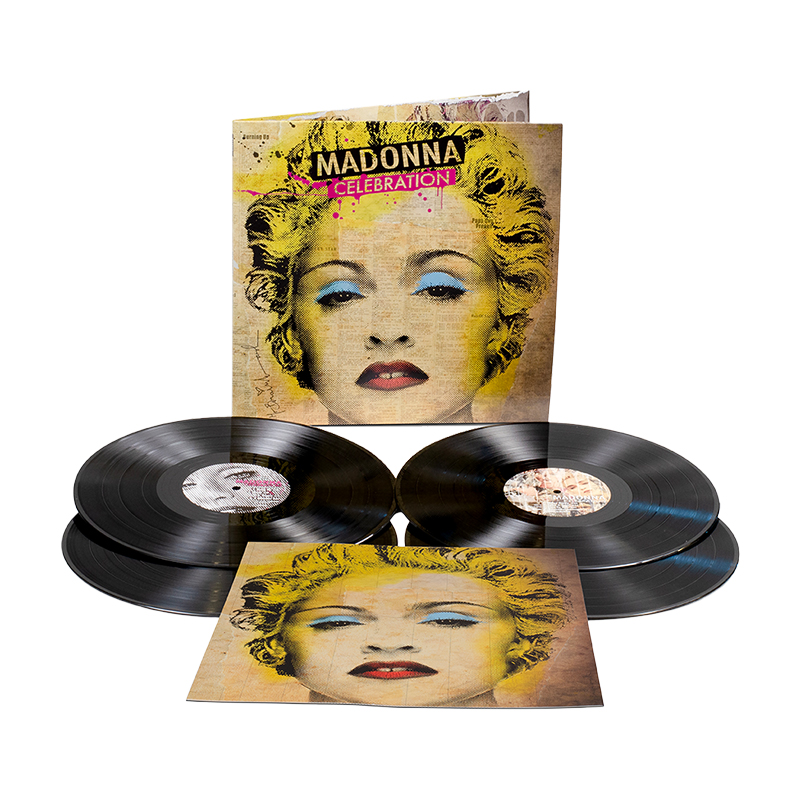
 EXPLORE MADONNA'S ICONIC RELEASES
- #ededed
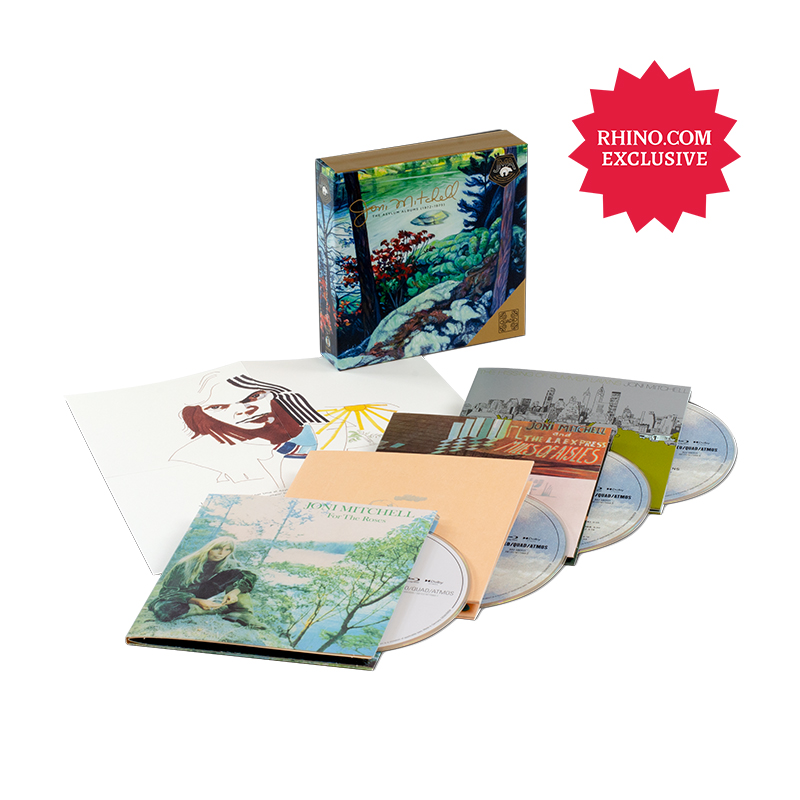 JONI MITCHELL - THE ASYLUM ALBUMS (1972-1975) (QUADIO)
4 Blu-ray Set Feat. Quadraphonic, Hi-Res Stereo, And Dolby Atmos Mixes - #ededed
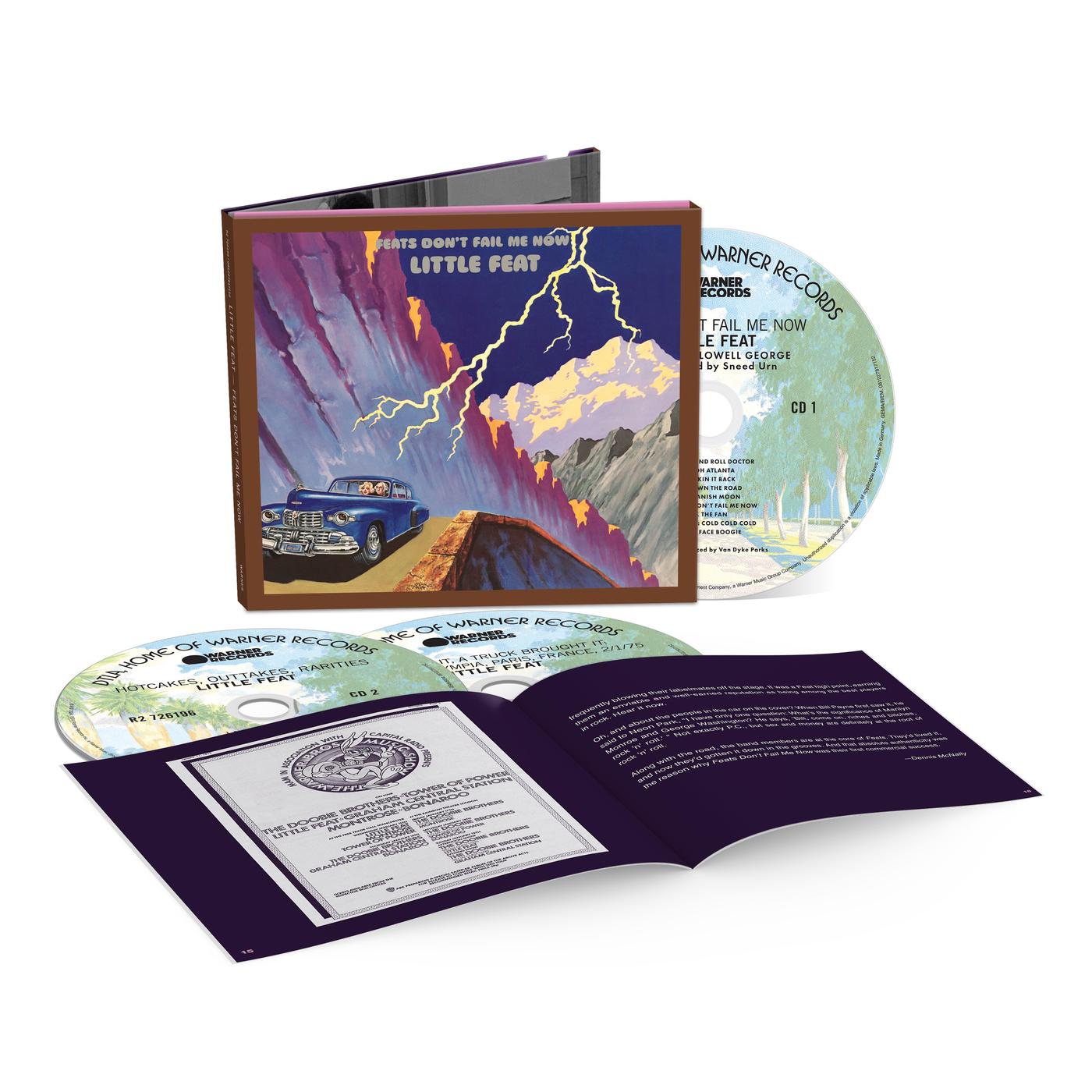
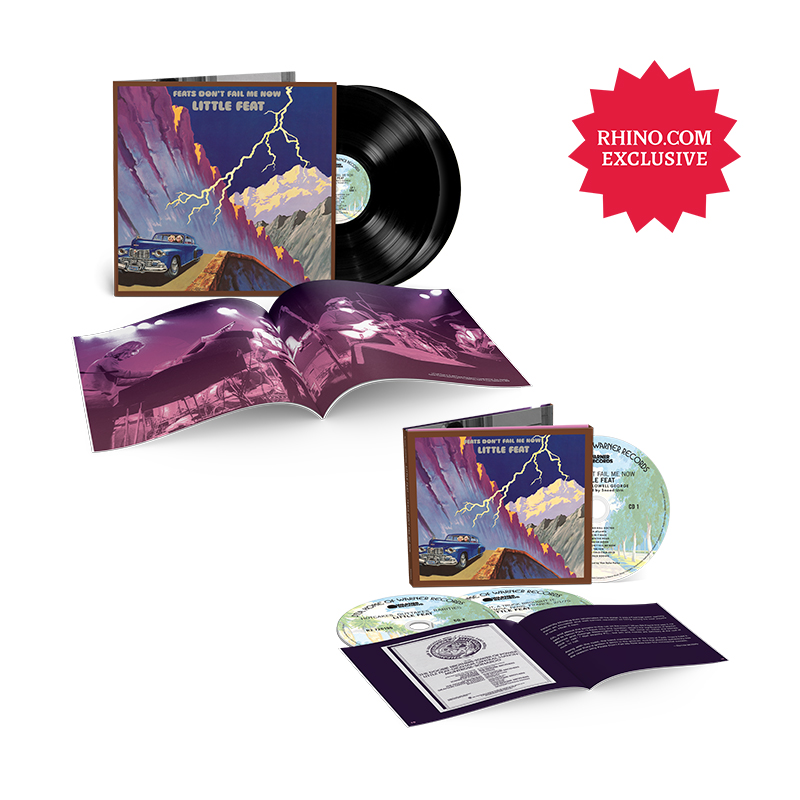 LITTLE FEAT - FEATS DON'T FAIL ME NOW (DELUXE EDITION)
2LP & 3CD Bundles With An Exclusive Bonus Disc Feat. Live At The Rainbow '75 - #ededed
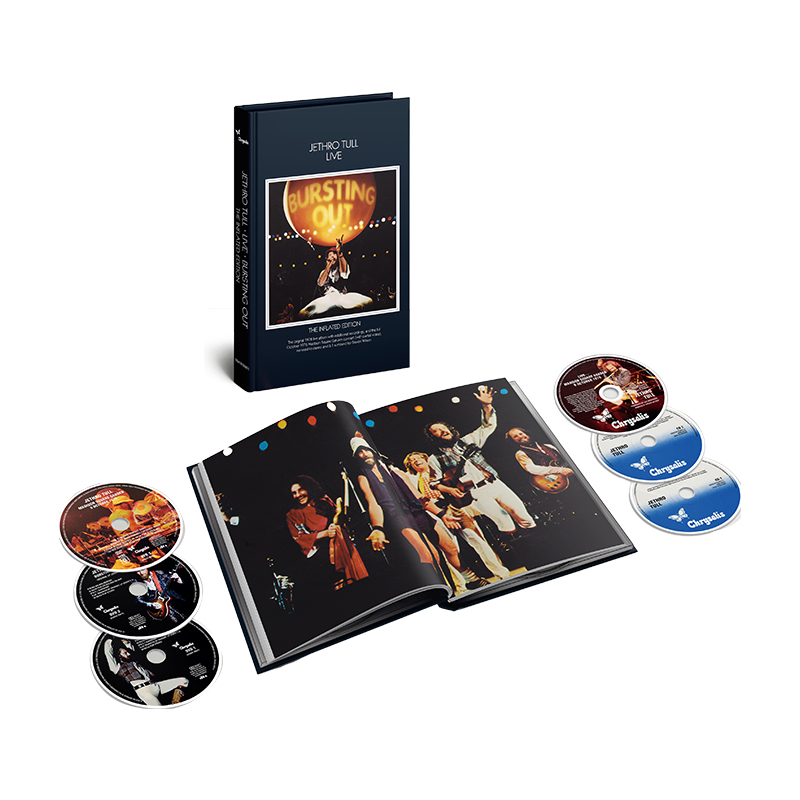 JETHRO TULL - BURSTING OUT (THE INFLATED EDITION)
3CD/3DVD Boxed Set, Remixed By Steven Wilson - #ededed
 IMMERSE YOURSELF IN ATMOS
The Doors, Fleetwood Mac, Alanis Morissette, And Hootie & The Blowfish On Blu-ray Featuring Dolby Atmos, 5.1, And Hi-Res Stereo Mixes
Features
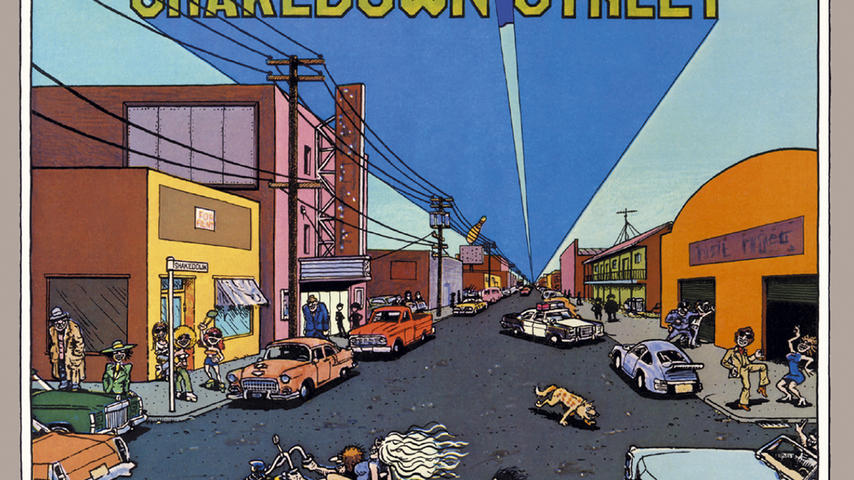
SHAKEDOWN STREET
The final Grateful Dead album of the 1970s, SHAKEDOWN STREET, paired the group with another acclaimed California rocker: Little Feat's Lowell George, who co-produced the Arista collection. This would be the final Dead album to feature the husband-and-wife team of...
THIS IS THE AOD HOMEPAGE PREVIEW TEMPLATE
THIS IS THE FIELD NODE IMAGE ARTICLE TEMPLATE

LISTEN: David Bowie, "LADY STARDUST (ALTERNATIVE VERSION - TAKE 1)"
Taken from the forthcoming box set, ROCK ‘N’ ROLL STAR! 5CD/Blu-Ray, digital box set & half-speed mastered LP. Releasing June 14.
THIS IS THE ARTICLE HOMEPAGE PREVIEW TEMPLATE

David Bowie's Unreleased Album Toy - With Producer Mark Plati
Host Rich Mahan welcomes producer Mark Plati to The Rhino Podcast to discuss the recently released David Bowie Album, "Toy".
THIS IS THE PODCAST HOMEPAGE PREVIEW TEMPLATE
THIS IS THE FIELD NODE IMAGE ARTICLE TEMPLATE
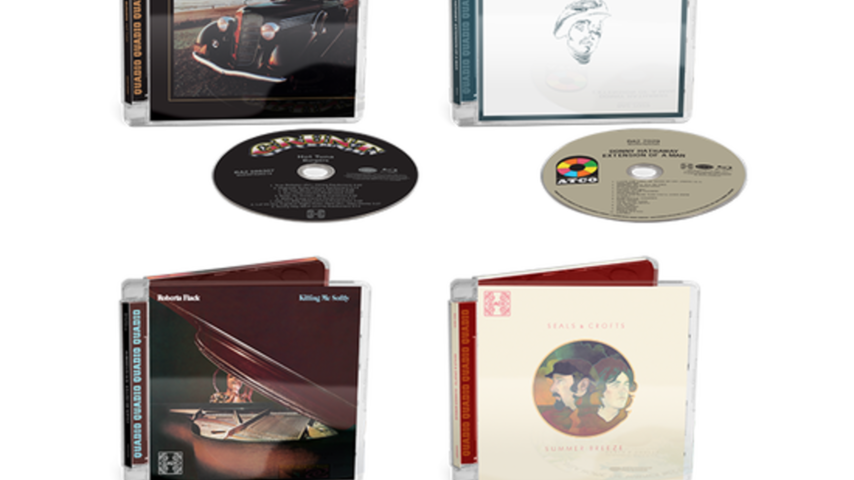
RHINO Details Fourth Round of QUADIO Releases: Roberta Flack, Donny Hathaway, Hot Tuna and Seals & Crofts
Donny Hathaway’s EXTENSION OF A MAN, Hot Tuna’s BURGERS, Roberta Flack’s KILLING ME SOFTLY and Seals & Croft’s SUMMER BREEZE. All Titles To Be Issued On Blu-ray With Quadraphonic And Hi-Res Stereo
THIS IS THE ARTICLE HOMEPAGE PREVIEW TEMPLATE